




Frequently asked questions on Okash
Okash is one of the popular digital lending platforms offering quick access to short-term loans, but many users still have questions about how it works. From eligibility requirements and repayment terms to interest rates, loan limits, and account issues, borrowers often seek clarity before or after applying. This FAQ guide addresses the most common questions about Okash to help users better understand the platform and make informed borrowing decisions.
Federal Competition and Consumer Protection Act
The Federal Competition and Consumer Protection Act, 2018, usually called the FCCPA, sits at the core of consumer protection and competition regulation in Nigeria.
Why your loan application keeps getting rejected
Having a loan application rejected can be frustrating, especially when the reason isn’t clear. In many cases, lenders decline applications due to factors like inconsistent income, poor repayment history, high existing debt, or incomplete information. Sometimes, even small issues such as errors in your application or mismatched data can affect the outcome. Understanding these common reasons can help borrowers take the right steps to improve their profile and increase their chances of approval in future applications.
What new lenders get wrong in their first 12 months
Here are 12 things new lenders usually get things wrong in their first year.
How to justify software pricing internally to stakeholders
When you justify a software purchase internally, you are not just asking for approval to spend. You are asking the organization to change how part of the business runs.
How lenders decide whether to approve your loan
Loan approval decisions are rarely based on a single factor. Lenders typically assess a combination of income, repayment history, existing debt, credit behavior, and the level of risk a borrower presents. Some may also consider employment stability, cash flow patterns, or alternative data depending on the product and market. Understanding how these decisions are made can help borrowers prepare stronger applications, while giving lenders a clearer framework for making fair and responsible credit choices.
What lenders should fix before increasing loan volume
So before any lender decides to increase loan volume, there are a few things worth fixing first. Some are operational and financial, while some of them sit inside technology and team behaviour.
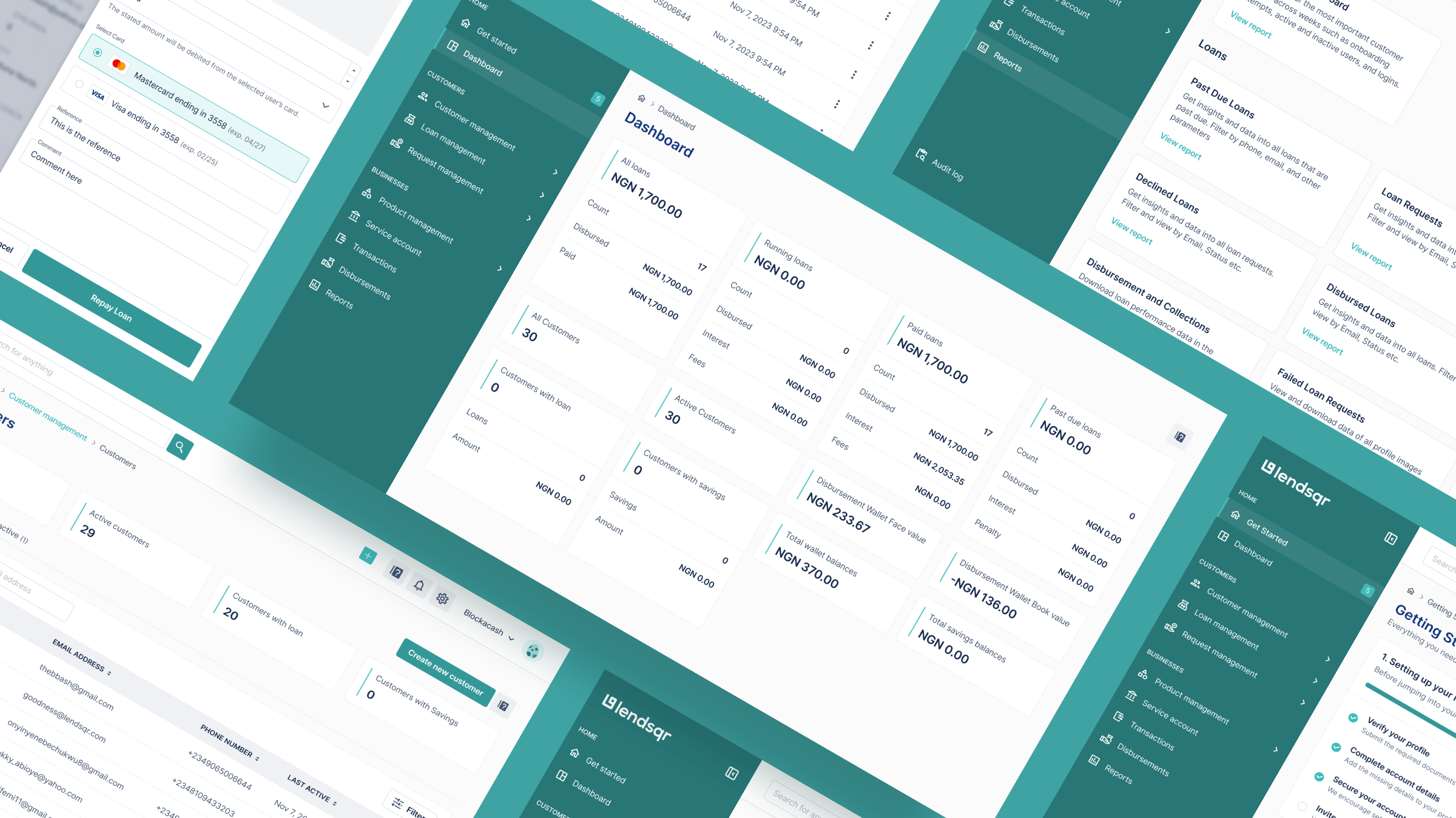
🧾 Smarter manual customer creation flow
Hello there! 👋 Happy new month and welcome to April! That’s ¼ of the year done, 3 more to go! As we step into the first month of the second quarter, we’re reminded of the promises we made to you when you chose Lendsqr. Our goal is to make lending as seamless, efficient, and impactful […]

How to compare loan offers properly
Comparing loan offers properly requires looking beyond the headline amount or how quickly funds are disbursed. Key factors such as interest rates, repayment terms, fees, penalties, and overall transparency all play a critical role in determining the true cost of a loan. For borrowers, understanding these details helps avoid hidden costs and poor financial decisions, while for lenders, it highlights the importance of clear, competitive, and well-structured offerings in a crowded lending market.

Why borrowers repay more when they have something to lose
Loan repayment is often influenced by more than income or willingness to pay, it is also shaped by accountability. Borrowers are often more likely to repay when they have something meaningful to lose, and guarantors are one of the clearest examples of this dynamic. When a trusted friend, family member, or colleague stands behind a loan, repayment carries social, financial, and reputational consequences beyond the borrower alone. For lenders, guarantor-backed lending can strengthen repayment behavior while creating an added layer of confidence in credit decisions.
How to identify fake or predatory loan apps
As digital lending expands, so does the risk of fake or predatory loan apps targeting unsuspecting borrowers. These platforms often use misleading terms, aggressive collection tactics, and hidden charges to exploit users. Knowing how to spot warning signs, such as lack of transparency, excessive permissions, and unregulated operations, is essential for both borrowers and lenders. Identifying these red flags early can help prevent financial harm and promote a safer, more trustworthy lending ecosystem.


